
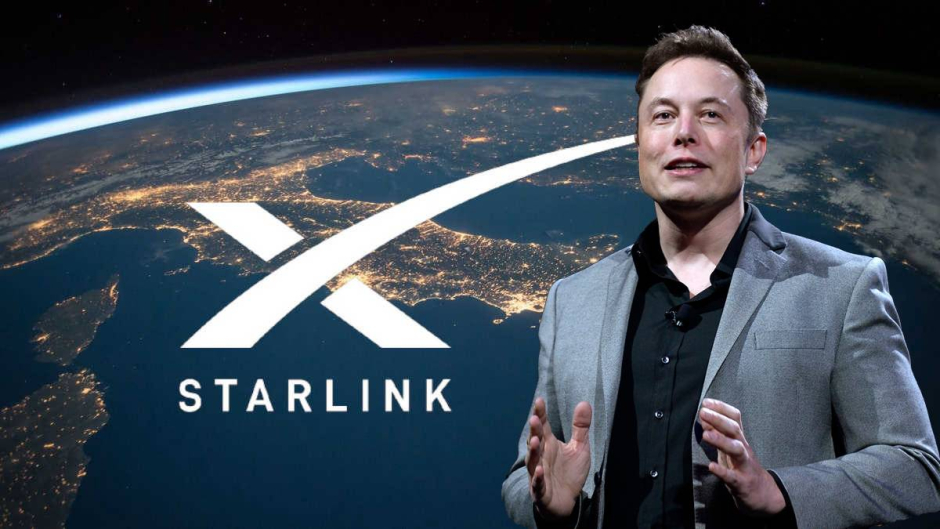
In a bold move against cybercrime, a US senator is calling on Elon Musk’s SpaceX to pull the plug on internet services fueling scam operations across Southeast Asia. With fraudulent call centers, online scams, and human trafficking rings running rampant, the demand highlights a growing push to hold tech companies accountable.
Why Southeast Asia?
Countries like Cambodia, Myanmar, and Laos have become breeding grounds for large-scale scam hubs. These criminal networks often:
- Trick victims into fake investments
- Run romance scams
- Force trafficked individuals into fraudulent call centers
Many of these operations use Starlink’s satellite internet to stay online, evading local shutdowns.
The Senator’s Stand: “SpaceX Must Act”
The lawmaker insists that SpaceX has the power—and responsibility—to stop enabling these crimes. By denying Starlink access, the company could:
✅ Cripple scam operations overnight
✅ Help global law enforcement track criminals
✅ Protect vulnerable victims
But it’s not that simple.
The Complications Ahead
While the idea sounds effective, experts warn of unintended consequences:
- How does SpaceX verify illegal activity?
- Could innocent users lose access in remote areas?
- Will governments cooperate, or resist foreign interference?
So far, SpaceX has stayed silent—but the debate is heating up.
What’s Next?
If SpaceX complies, it could mark a major shift in how tech firms combat cybercrime. But if they refuse, critics may accuse them of prioritizing profits over ethics.
The Big Question
Should private companies like SpaceX play internet police? Or is this a job for governments and law enforcement?
As scams continue to devastate lives worldwide, the pressure for action is only growing.