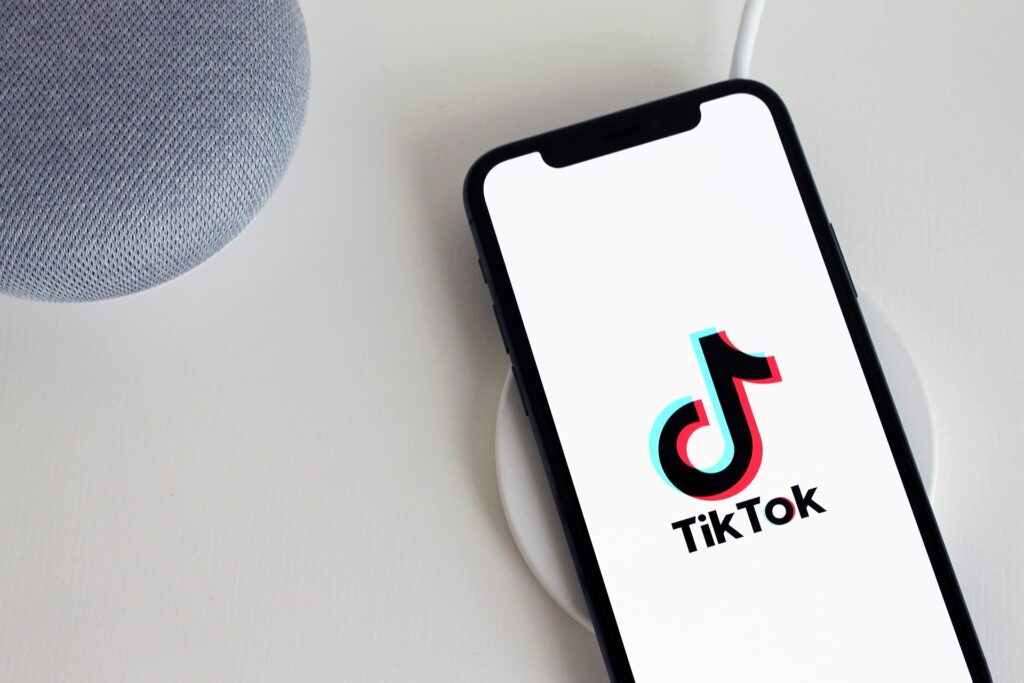
In a significant diplomatic development, the United States and China have reached a tentative agreement that creates a new framework for TikTok’s operations, effectively delaying a potential ban of the popular social media app. This breakthrough, announced in mid-September 2025, comes after years of intense geopolitical tension and security concerns surrounding the Chinese-owned platform. The deal represents a crucial effort to find a middle ground between national security and global digital connectivity, impacting millions of users and businesses. The situation remains fluid, but this tentative understanding marks a pivotal moment for TikTok, its vast user base, and the broader US-China tech relationship.
Understanding the New US-China TikTok Framework
The core of the tentative deal revolves around creating a new operational structure for TikTok that aims to alleviate longstanding US security concerns. The primary issue has been the ownership of TikTok by ByteDance, its Beijing-based parent company. US lawmakers and intelligence officials have consistently worried that the Chinese government could potentially access the data of American users or use the app’s powerful algorithm for influence operations.
The proposed framework, as reported by multiple outlets, is not an outright sale of TikTok. Instead, it appears to establish a new US-based entity with significant American oversight to manage TikTok’s stateside operations and, most critically, handle its user data. This structure is designed to create a “firewall” that prevents any unauthorized access from China. The deal also likely includes provisions for third-party audits of TikTok’s algorithm and data management practices to ensure compliance with the agreed-upon security protocols. This complex arrangement avoids the more drastic measure of a forced divestiture, which China has previously opposed on the grounds of protecting its own technological exports.
Why This TikTok Deal Matters to Everyone
The importance of this tentative agreement extends far beyond the app itself, touching on economic, social, and security spheres.
- For National Security: The deal directly addresses the proclaimed national security threats. By potentially walling off US user data and introducing transparent oversight, the framework aims to prevent foreign adversarial access, which was the central argument for proponents of a ban.
- For Users and Creators: Over 170 million Americans use TikTok for entertainment, community, and information. A ban would have severed these connections overnight. For creators, many of whom have built full-time careers and businesses on the platform, the deal provides crucial continuity and protects their livelihoods from being abruptly disrupted.
- For the Digital Economy: TikTok is a major driver of the creator economy and a powerful engine for small business marketing. Its algorithm provides unparalleled discoverability, allowing niche businesses to find a global audience. Preserving the platform maintains a vital channel for economic activity and innovation.
- For US-China Relations: This agreement is a rare example of pragmatic compromise in an otherwise tense relationship. It sets a potential precedent for how the two superpowers can manage other intertwined tech and trade issues, moving away from outright decoupling and toward managed competition with guardrails.
What to Expect Next: Navigating the Evolving Situation
While a deal has been tentatively reached, the situation is not yet finalized. For users, creators, and businesses, it’s wise to take proactive steps.
- Stay Informed, But Trust Official Sources: The news cycle will be filled with rumors. Follow official announcements from the White House, ByteDance, and reputable news outlets rather than relying on social media speculation.
- Avoid Rash Business Decisions: Businesses that rely on TikTok for marketing should not immediately abandon their strategies. Continue your campaigns but ensure they are part of a broader, diversified marketing plan that isn’t dependent on a single platform.
- Review Your Data Practices: As a user, this is a good reminder to review your privacy settings on TikTok and all social media apps. Limit the amount of personal data you share publicly, regardless of who owns the platform.
- Prepare for Changes: The new framework will likely result in changes to how TikTok operates in the US. This could include new data handling notifications, changes in corporate leadership, or even slight modifications to the user experience to comply with new regulations.
Common Misconceptions About the TikTok Deal
It’s easy to misunderstand the nuances of this complex geopolitical and corporate arrangement.
- Misconception: The ban is completely off the table.
- Reality: The ban has been delayed, not eliminated. The tentative deal creates a path to avoid a ban, but it is contingent on successful implementation. If the agreed-upon terms are not met to the satisfaction of US authorities, the threat of a ban could resurface.
- Misconception: The US now owns TikTok.
- Reality: ByteDance will likely retain ownership. The deal centers on creating a separate, US-run entity to manage operations and data, not a transfer of ownership. It’s about control and security, not asset seizure.
- Misconception: This solves all data privacy concerns.
- Reality: While the deal aims to mitigate specific national security threats related to foreign adversarial access, it does not absolve TikTok from general data privacy responsibilities. Users should still be cautious about the data they share, as with any tech platform.
Conclusion
The tentative US-China framework for TikTok is a landmark development that prioritizes a practical solution over a punitive ban. It acknowledges the app’s deep integration into American social and economic life while attempting to erect robust safeguards against espionage and influence. For now, the immediate threat of TikTok disappearing from app stores has receded. However, all parties—users, creators, and businesses—should stay informed as the details of this agreement are finalized and implemented. The world will be watching closely, as this deal could become a blueprint for managing the complex intersection of global technology and national security.