
The Allure of Prestige: Understanding Its Impact on Modern Society
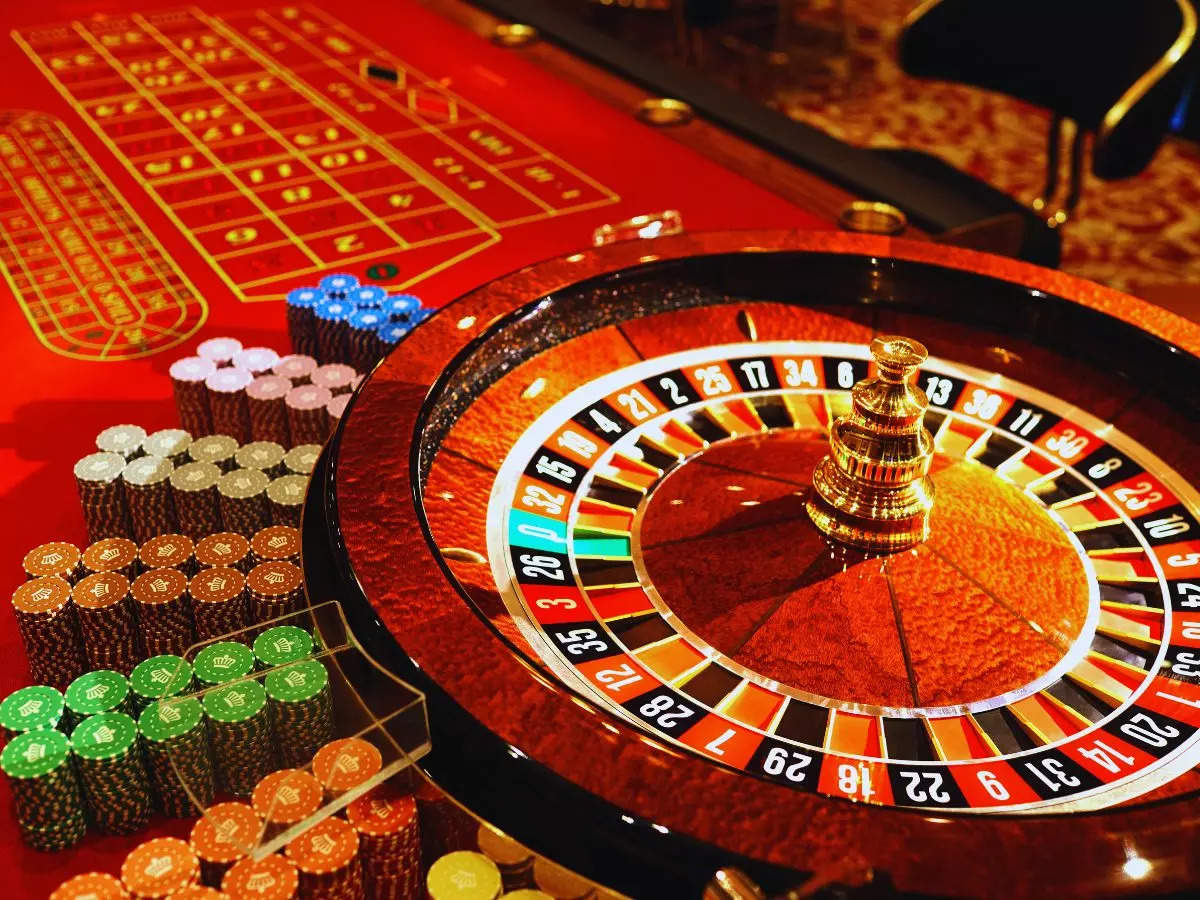
Prestige is a captivating force that shapes our perceptions and interactions in numerous facets of life. It informs our choices, influences our behaviors, and can significantly impact personal and professional relationships. Whether in the context of brands, achievements, or social status, the allure of prestige is deeply ingrained in human psychology. Within this framework, we will delve into different dimensions of prestige while highlighting its relevance in today’s world. Branding experts and sociologists alike point to prestige as a critical factor that can elevate a product, service, or individual above the rest. For those interested in the world of luxury and high-stakes gaming, you can explore Prestige https://prestigecasino-online.com/ for a taste of the prestigious lifestyle.
Defining Prestige and Its Components
At its core, prestige refers to the respect and admiration that an individual, brand, or entity commands based on perceived quality or success. It often encapsulates elements such as exclusivity, rarity, and social validation. In psychological terms, prestige acts as a social marker, denoting a higher status within a hierarchy. This social validation can take many forms — from luxury brands that signify wealth and taste to academic institutions renowned for their historic legacy. The components that constitute prestige include:
- Quality: The inherent value of a product or service significantly influences its prestige. Brands known for superb craftsmanship or exceptional service often command higher respect.
- Exclusivity: Limited availability often heightens desire. Items that are hard to obtain tend to have more perceived value.
- Reputation: The historical success and standing of an individual or brand develop a long-term image that contributes to its prestige.
- Symbolism: Many prestigious brands have a symbolism associated with them, representing aspirations, lifestyles, and identities.
The Role of Prestige in Consumer Behavior
In the commercial landscape, prestige plays an indispensable role in consumer behavior. The ‘prestige effect’ often leads consumers to prefer high-status brands over lower-priced alternatives, even when the quality differences may be negligible. This phenomenon can be observed in various sectors, including fashion, automobiles, technology, and even hospitality. For instance, high-end brands such as Rolex or Louis Vuitton are not merely selling products; they are marketing a lifestyle filled with values of success and accomplishment.
Moreover, luxury brands capitalize on the psychological allure of prestige by incorporating elements that amplify their exclusivity and desirability. The use of celebrity endorsements, limited editions, and high-profile advertising campaigns serves to solidify their standing in the eyes of consumers. The desire to ‘keep up with the Joneses’ plays a crucial role in shaping purchasing decisions, with consumers frequently associating luxury and prestige with personal fulfillment and societal acceptance.
Prestige in the Digital Age

With the advent of the internet and social media, the dynamics of prestige have undergone significant transformations. Online platforms have democratized access to information, enabling consumers to research and validate products much more easily than before. In this digital landscape, brands are now challenged to maintain their aura of exclusivity while still engaging a broader audience.
Social media influencers have emerged as new bearers of prestige, reshaping traditional marketing models. They symbolize a modern take on prestige, where authenticity and relatability often hold more weight than historical achievements. Brands that effectively collaborate with influencers can gain rapid access to prestige and tap into niche markets, creating a new form of digital currency — social capital.
Prestige Beyond Materialism
While prestige is often associated with material possessions, it spans various domains beyond consumerism, such as academia, sports, and the arts. Educational institutions that carry prestige often attract top talent, not just in students but also in faculty, thereby enhancing their reputation further. Prestigious universities like Harvard or Oxford are gateways to opportunities and networks that can significantly enhance an individual’s career trajectory.
In sports, athletes who achieve remarkable feats, such as setting records or winning championships, often earn prestige that transcends their athletic abilities. This prestige can lead to lucrative endorsements and opportunities, not simply limited to the sports industry but extending into broader entertainment and business realms. Similarly, artists who produce groundbreaking or culturally significant work gain prestige that can influence entire movements, shaping narratives in society.
The Potential Downside of Prestige
While the allure of prestige can be enticing, it is essential to recognize its potential downsides. The pursuit of prestige can lead to unhealthy competition, materialism, and the reinforcement of social divides. In many cases, individuals may go to great lengths to project an image of prestige, sometimes at the expense of their well-being or authenticity. For instance, accumulating debt to acquire expensive goods in order to keep up with perceived societal standards can lead to financial distress.
Moreover, the culture of prestige can promote elitism, where only a select few are deemed worthy of admiration and respect. This social stratification can create barriers that hinder collective progress, as it may discourage collaboration and inclusiveness. The critical question then becomes: how do we balance the appreciation of prestige with a commitment to authenticity and inclusivity?
Conclusion: Navigating the Landscape of Prestige
Prestige undoubtedly wields significant influence in our lives, shaping our perceptions, aspirations, and interactions. Understanding the mechanics behind it can provide valuable insights into our own behavior and the society we inhabit. As we navigate the intricate landscape of prestige, it is vital to embrace authenticity, seek genuine connections, and foster environments that uplift rather than segregate.
In a world where prestige can often feel like a double-edged sword, we must strive to find a balance that celebrates achievements while remaining grounded in our values and principles. By doing so, we can appreciate the allure of prestige without allowing it to dictate our identities or self-worth.