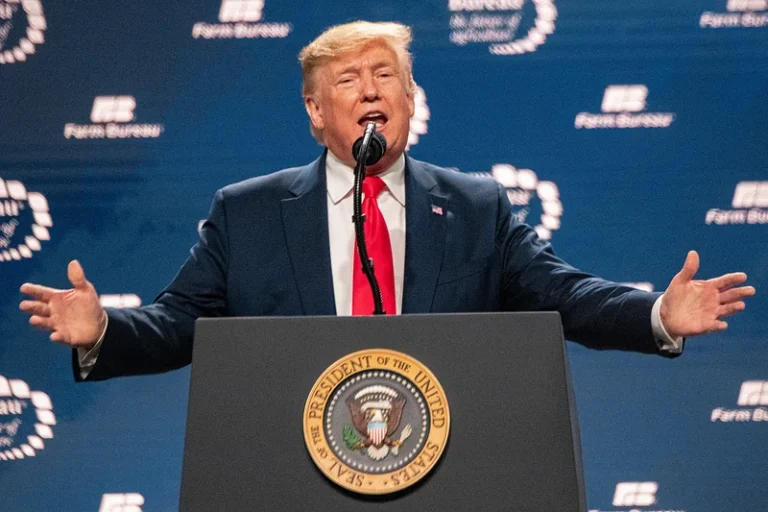

In a move that has sparked intense debate, former President Donald Trump has announced sweeping sanctions targeting both Ukraine and Russia. This unexpected decision has left analysts scrambling to understand its implications for US foreign policy, NATO alliances, and the ongoing conflict in Eastern Europe.
What’s Behind the Sanctions?
Sources close to the Trump administration suggest the sanctions aim to pressure Ukraine into negotiations with Russia while penalizing Moscow for its aggressive posturing. Critics argue the move undermines Ukraine’s sovereignty, while supporters claim it’s a strategic play to de-escalate tensions.
Key measures include:
- Trade restrictions on Ukrainian and Russian energy sectors.
- Asset freezes targeting oligarchs tied to both governments.
- Diplomatic repercussions, including stalled aid packages.
Global Reactions
- European leaders have expressed concern, fearing weakened unity against Russian expansionism.
- Ukraine’s government called the sanctions “a betrayal of democratic values.”
- The Kremlin remains defiant, labeling the measures “ineffective.”
Political Fallout in the US
The decision has deepened partisan divides:
- Democrats accuse Trump of emboldening Putin.
- Republicans praise the move as “America-first” pragmatism.
What’s Next?
With the 2024 election looming, these sanctions could redefine US foreign policy priorities. Will they force Ukraine to the negotiating table—or further destabilize the region?