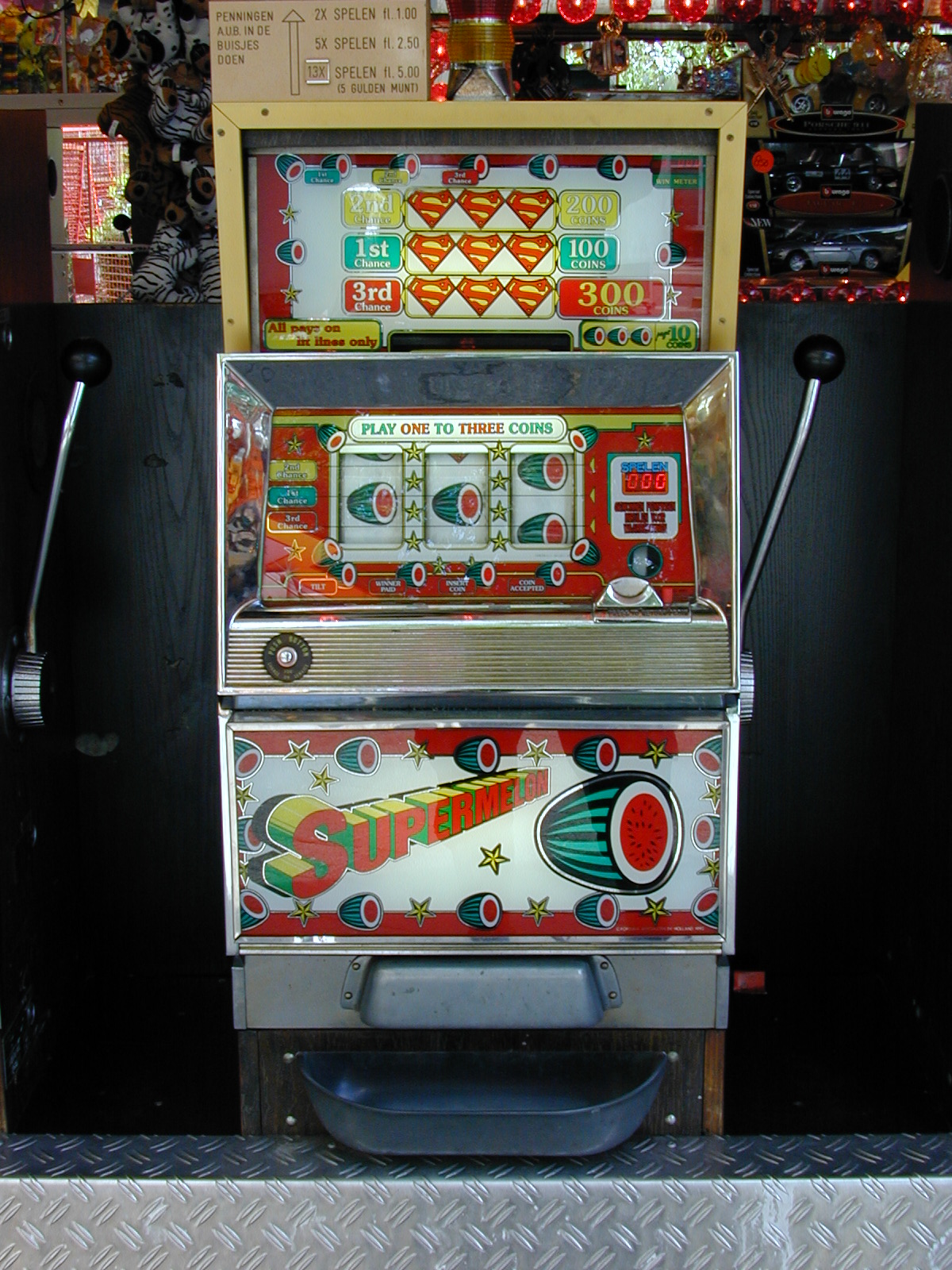
The Lotus Casino, a significant location in Rick Riordan’s “Percy Jackson & The Olympians” series, particularly in “The Lightning Thief,” serves as a pivotal setting that explores themes of temptation and the passage of time. The casino is portrayed as a luxurious and enchanting establishment that entices its visitors with endless entertainment, food, and relaxation. However, beneath its alluring surface lies a darker reality that is crucial to the narrative.
The ownership of the Lotus Casino is attributed to the Lotus Eaters, a group of mythological beings derived from Homer’s “Odyssey.” In the original myth, the Lotus Eaters are depicted as individuals who consume the lotus flower, which causes them to forget their homes and lose their desire to leave the island. In Riordan’s adaptation, the Lotus Eaters have transformed into the casino’s proprietors, using their powers to ensnare mortals who wander into their establishment. This ownership is not merely about running a business; it reflects a deeper, more sinister manipulation of human desires and weaknesses.
The casino itself is described as a timeless paradise, where visitors can indulge in games, food, and entertainment without any apparent consequences. However, this illusion is deceptive. The longer one stays in the casino, the more they lose track of time and reality. This phenomenon serves as a metaphor for the dangers of hedonism and escapism, illustrating how easily one can become trapped in a cycle of pleasure that ultimately leads to stagnation and loss of purpose.
In “The Lightning Thief,” Percy, Annabeth, and Grover find themselves entranced by the froggy bet casino‘s allure. They initially view it as a place of respite and enjoyment, but soon realize that they are in danger of becoming permanent residents, forgetting their quest to recover Zeus’s stolen lightning bolt. The casino’s ownership by the Lotus Eaters symbolizes the broader theme of temptation that pervades the series, as characters must navigate various challenges that test their resolve and sense of duty.
The Lotus Eaters’ control over the casino also raises questions about free will and the nature of choice. The visitors, lured by the promise of pleasure, are ultimately stripped of their agency, paralleling the experiences of many characters throughout the series who confront external forces that seek to dictate their fates. This ownership dynamic is crucial to understanding the moral lessons embedded within the story.
In conclusion, the ownership of the Lotus Casino in “Percy Jackson” is a reflection of the mythological Lotus Eaters’ influence, serving as a cautionary tale about the dangers of indulgence and the loss of self. Through the casino’s captivating facade, Riordan explores themes of temptation, free will, and the importance of remaining grounded in one’s purpose. The casino stands as a powerful symbol within the narrative, reminding readers of the perils of losing oneself in the pursuit of pleasure.